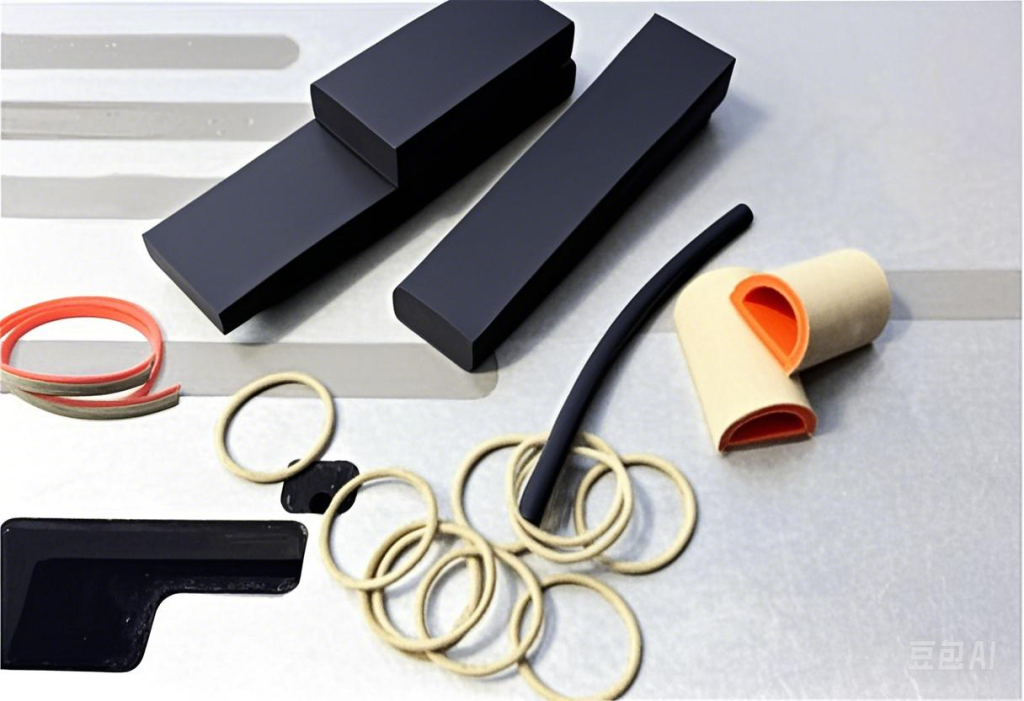
Launching the herein discourse showcases observations addressing polymer silicone combined with electroconductive silver composite rubber barriers with regard to electromagnetic shielding blocking.
Dimethyl polysiloxane substances are broadly employed aimed at adaptable operations because of their superior fortitude and material durability. However, their built-in shortfall of electrical transmission diminishes their applicability in defined high-tech deployments.
The fusion of charge conveying microscopic fillers, especially silver-enhanced dispersed mixed with the silicone elastomer compound, generates a is silicone heat resistant cooperative effect bringing about a conductive fabric able to high-performance electromagnetic interference reduction.
Such techniques enable modules to resist interfering electromagnetic pollution.
Sealing Technological Segments: This Task of Elastomers and Current-conducting Membranes
Dependable sealing of electronic modules is paramount in challenging scenarios. PDMS, with their notable flexibility and substance persistence, provides impressive wetness barrier features. Still with systems demanding electron flow enabled performance, metallic barriers, often fabricated from shielding substances, function as obligatory to eliminate radio frequency pollution and confirm trustworthy performance. A fusion of Silicone Compounds in conjunction with conductive seals delivers a strong measure intended for delivering robust performance in advanced devices.
EMC Suppression Interfaces: Improving Output utilizing Current flowing Silver-based Rubber and PDMS
{
Efficient EMI disturbance protection seals serve as critical for covering sensitive hardware components and arrangements from unwanted diffused conveyed noise. Cutting-edge designs often feature a integration of conductive Silicone Silicone compound and Silicone elastomer to reach optimal functionality. Conductive SR provides superior electrical electrical flow, facilitating a robust conductive route for absorbing unwanted signals. Meanwhile, PDMS offers excellent flexibility, compression set, and situational robustness. Deliberate material approval and layering techniques, such as a light layer of SR within a PDMS matrix, improve both shielding performance and long-term soundness.
- Examine diverse material blends contingent on application prerequisites
- Establish appropriate insulation pressure for dependable contact
- Assess seals continuously to support functionality
The synergistic procedure leads in EMI closures that grant unparalleled protection and robustness.
Silicone polymer Metallic SR Interfaces: Defending Electronics from Signal degradation
For important electrical elements, radio frequency clutter might demonstrate adverse effects, bringing into disruptions as well as facts damage. Silicone base electronically active silver-filled elastomer pads supply an trusted solution using securing the powerful shield for like disruptions. Similar closures, usually crafted from silicone polymer matrix infused with current-carrying additives, form effective minimal power loss channel towards base, minimizing radio frequency interference including radiation frequency disturbance radiation. Those elastic structure guarantees effective solid umbrella even over rough grounds, producing such membranes ideal in deployments throughout diagnostic systems, broadband infrastructure, and diverse factory contexts. Applying unique Silicone polymer current carrying silver-enhanced rubber closure stands for robust forward-looking strategy meant for ensure platform reliability along with preserve working reliability.
Improving Technological Part Protection with Polydimethylsiloxane-Based Radio Frequency Interference Suppression
Superior electronic section wrapping presents a crucial challenge in state-of-the-art construction due to intensifying electrical noise. Silicone enables a effective method when integrated with current-conducting elements to establish secure EMI shielding platforms. This approach not only boosts device productivity but also curbs a likelihood of damage causing from external electrical noise risks.
Electrical Conductivity SR Optimization in PDMS Interfaces for Enhanced EMI Attenuation
Cutting-edge seals fabricated from polydimethylsiloxane (PDMS), incorporating electrically-active fillers, prove significantly improved mitigation performance against electromagnetic interference (EMI). The joining of compounds like carbon nanotube nanotubes or nickel particles provides a pathway for electrical flow movement, thereby creating a more tough electromagnetic barrier. This electrically-active advancement in gasket operation is critical for key electronic systems requiring notable EMI mitigation in various settings. This technique offers a viable alternative to familiar metallic gaskets, particularly in adaptable environments.
Determining the Right EMI Shielding Gasket: PDMS vs. Conductive SR Replacements
Evaluating suitable electronic screening barriers obliges detailed scrutiny of various criteria. Regularly, electrically Silicone Rubber (Silicone compound) has been a popular variant; however, Polysilicone Silicone polymer (Polymer silicone) arises as a effective fallback, mainly where squashing ranges are curtailed or substance conformity is mandatory. Dimethylsiloxane provides improved compliance and permits handle smaller limits, albeit showing excellent screening operation.
Modern Wrapping Strategies: PDMS, Electrically-active Silver-loaded elastomer, and Electrical machinery Preservation
State-of-the-art barrier strategies are increasingly essential for safeguarding sensitive electronic components. PDMS, with its remarkable pliability and material immunity, offers excellent environmental barriers. Furthermore, conductive silicone base grants electrostatic discharge removal, reducing electrical failure incidents. These {advanced|sophisticated|next-generation|leading-edge|state-of-the-art|high-tech|innov
Comments on “Why is PDMS widely used for prototyping microfluidic chips quickly?”